October 14, 2026
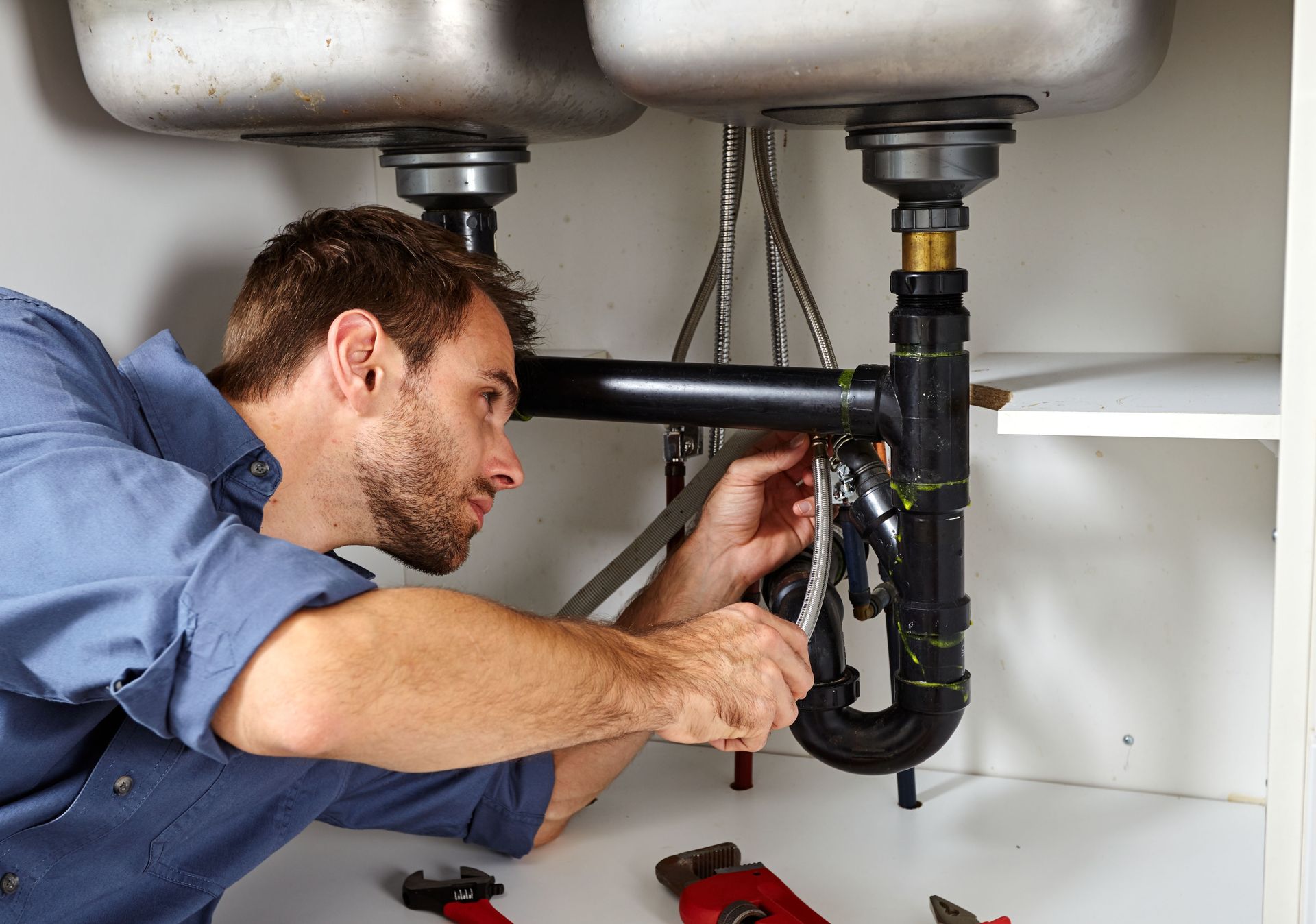
Water damage can develop quickly when plumbing problems go unnoticed or are allowed to worsen. A small leak behind a wall, a loose connection under a sink, a slow-draining pipe, or an aging water heater can release enough moisture to damage flooring, drywall, cabinets, insulation, and personal belongings. In some cases, homeowners may not realize there is a problem until stains, odors, warped materials, or mold growth appear. Working with a local plumbing service can make it easier to identify developing issues, complete timely repairs, and maintain the systems that carry water throughout the home. Preventive plumbing care can also reduce the likelihood that minor concerns will turn into disruptive and expensive water damage.
Identifying Hidden Plumbing Leaks
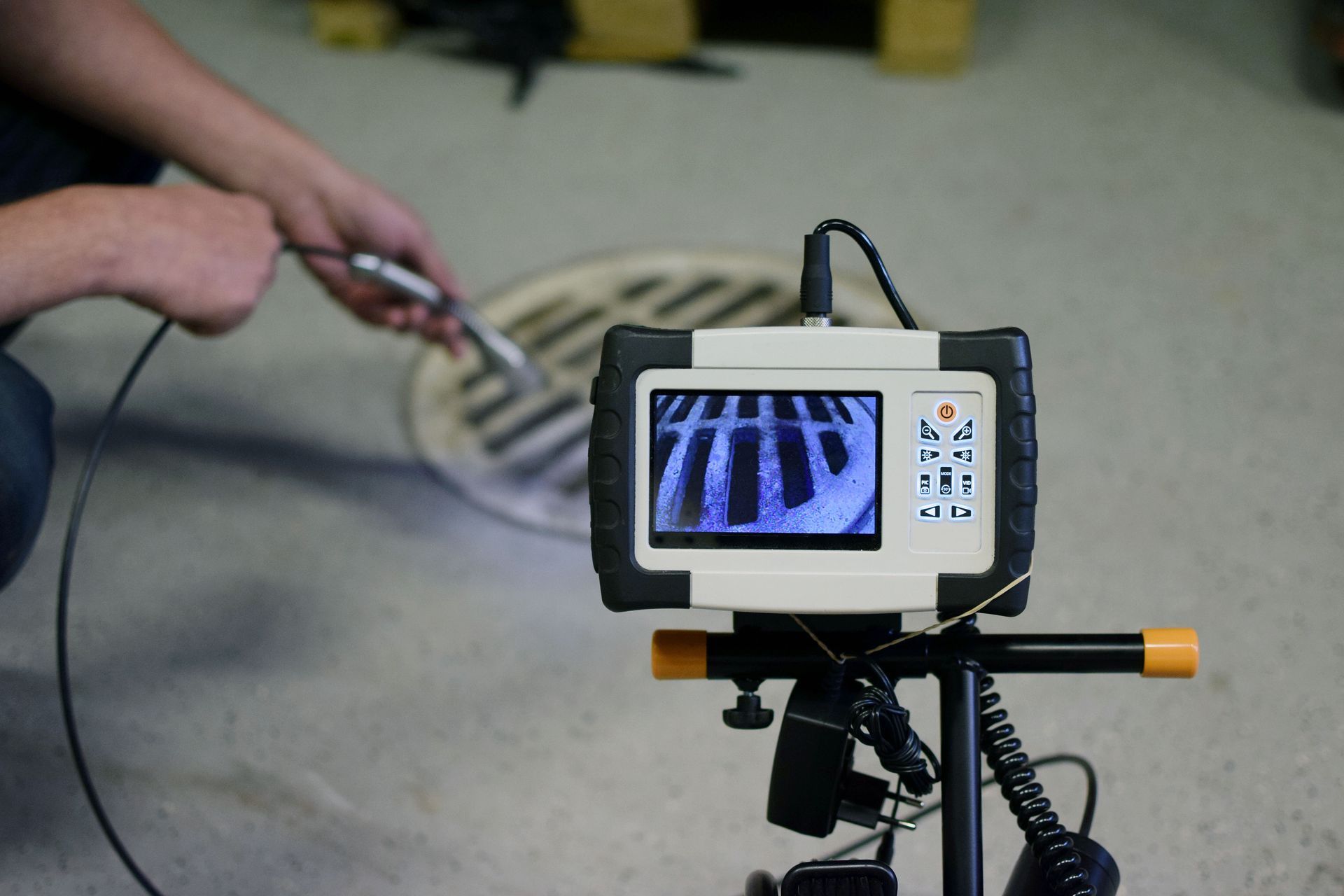
Not every leak produces an obvious puddle. Water can escape from supply lines, drainpipes, fittings, valves, or fixtures in areas that are difficult to see. Leaks inside walls, beneath floors, behind cabinets, or above ceilings may continue for days or weeks before visible symptoms appear. Homeowners might notice an unexplained increase in water use, damp drywall, peeling paint, musty odors, soft flooring, or discoloration around plumbing fixtures. A local plumbing service can inspect these warning signs, evaluate likely sources, and determine whether damaged components need to be repaired or replaced.
Early leak detection is important because water can travel beyond the point where it first escapes. Moisture may follow framing, pipes, or other building materials before appearing in another part of the home. This can make the source difficult to locate without plumbing experience. Addressing a hidden leak promptly can help limit the amount of water entering surrounding materials and reduce the risk of deterioration. It may also help homeowners avoid larger repairs involving drywall, flooring, cabinetry, insulation, or structural components.
Inspecting Aging Plumbing Components
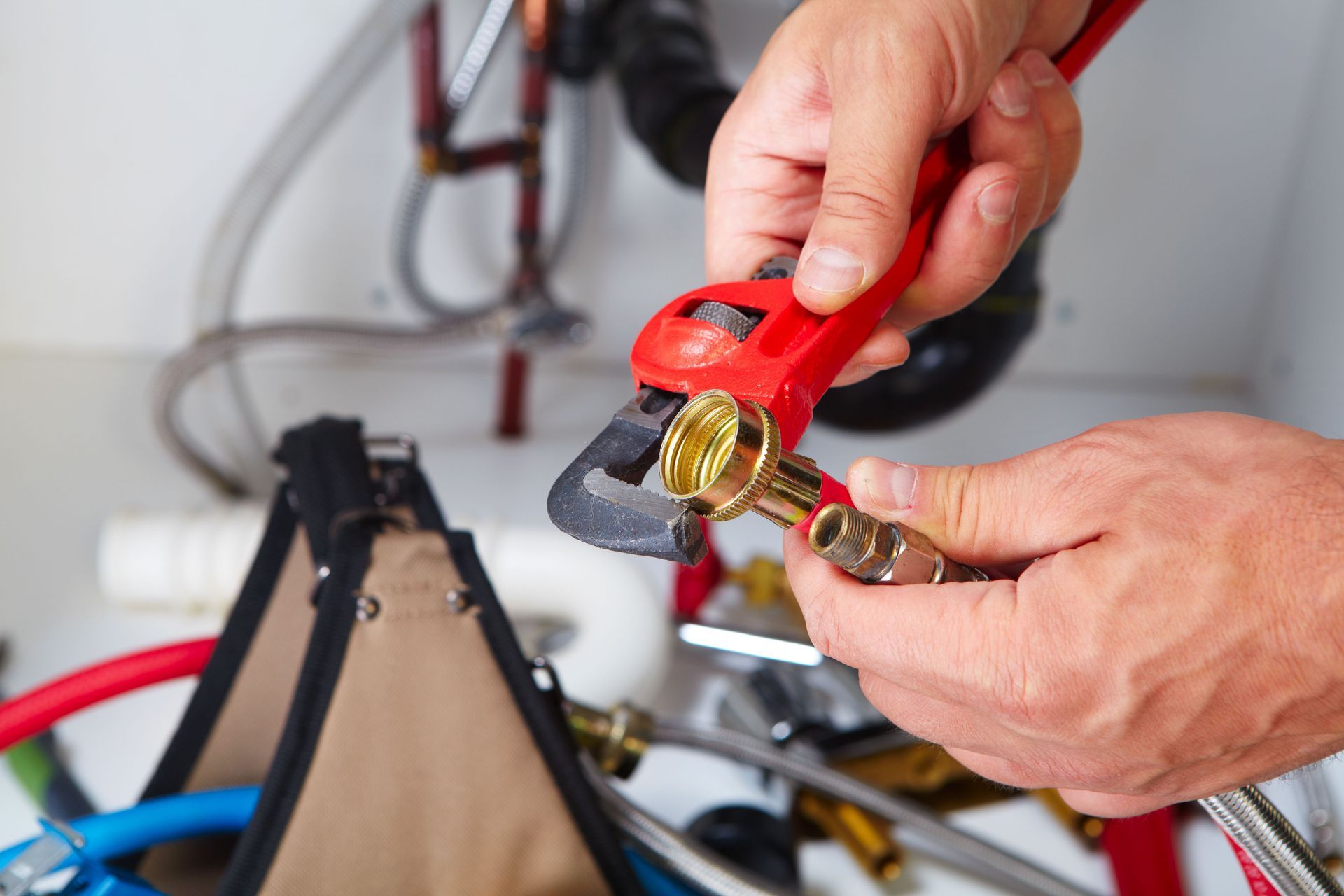
Plumbing systems contain many parts that can wear over time, including pipes, connectors, shutoff valves, supply hoses, seals, and fixture components. Corrosion, mineral buildup, repeated pressure changes, and normal use can gradually weaken these materials. A pipe or fitting does not have to fail completely to create a problem. Even a slow drip can lead to moisture damage when it continues unnoticed. A professional plumber can inspect visible plumbing components for signs of wear and recommend repairs before weakened parts become more serious concerns.
Older homes may especially benefit from routine plumbing evaluations because some materials have been in place for decades. However, newer systems can also develop problems due to installation issues, defective components, water pressure, or accidental damage. Preventive inspections give homeowners an opportunity to identify vulnerable areas before water reaches finished surfaces. Replacing a deteriorated valve, connector, or section of pipe can often be simpler than repairing extensive damage after a failure.
Clearing Developing Drain Blockages
Slow drains can be more than a minor inconvenience. They may indicate that grease, soap residue, hair, food particles, mineral deposits, or other materials are accumulating inside the plumbing system. As a blockage becomes more restrictive, water may drain slowly, back up into fixtures, or eventually overflow. A local plumbing service can investigate recurring drainage problems and clear obstructions before they cause wastewater or standing water to spill into kitchens, bathrooms, basements, or utility areas.
Repeated clogs should not always be treated as isolated problems. When several fixtures drain slowly at the same time, the issue may involve a larger portion of the drainage system. Professional evaluation can help determine whether the cause is limited to a single fixture or related to a deeper obstruction. Keeping drains functioning properly can reduce the chance of backups and help water move away from the home as intended.
Maintaining Water Heaters Regularly
Water heaters hold or move a significant amount of water, which means a leak can create substantial damage in a short period. Tanks can corrode, valves can fail, fittings can loosen, and connections may begin to seep over time. Homeowners should pay attention to moisture around the base of the unit, rust, unusual noises, inconsistent hot water, or visible corrosion. A local plumbing service can inspect the water heater, check connections and valves, and address signs of deterioration that could increase the risk of leakage.
Routine maintenance can also help homeowners understand the condition of the unit and prepare for replacement when necessary. An aging water heater may continue working even as its condition declines, so waiting for a complete failure can lead to an unexpected release of water. Planned replacement provides more control over timing and reduces the likelihood of a sudden emergency. Keeping the surrounding area clear and checking for moisture periodically can also make developing problems easier to notice.
Testing Water Pressure Levels
Water pressure that is too high can place unnecessary stress on pipes, fixtures, appliance connections, and valves. Over time, this pressure may contribute to leaks or premature wear. Homeowners may notice banging pipes, frequently dripping faucets, a shortened appliance hose lifespan, or unusually forceful water flow. A professional plumber can test household water pressure and determine whether adjustments or pressure-regulating equipment may be appropriate for the system.
Pressure problems are not always obvious because water may still flow normally from faucets and showers. However, plumbing components are designed to operate within certain ranges, and excessive pressure can gradually affect their performance. Testing provides useful information about the conditions inside the system and can help prevent avoidable strain. When pressure is controlled properly, pipes, fittings, and connected appliances may be less likely to develop leaks caused by ongoing stress.
Repairing Fixtures Before Failures
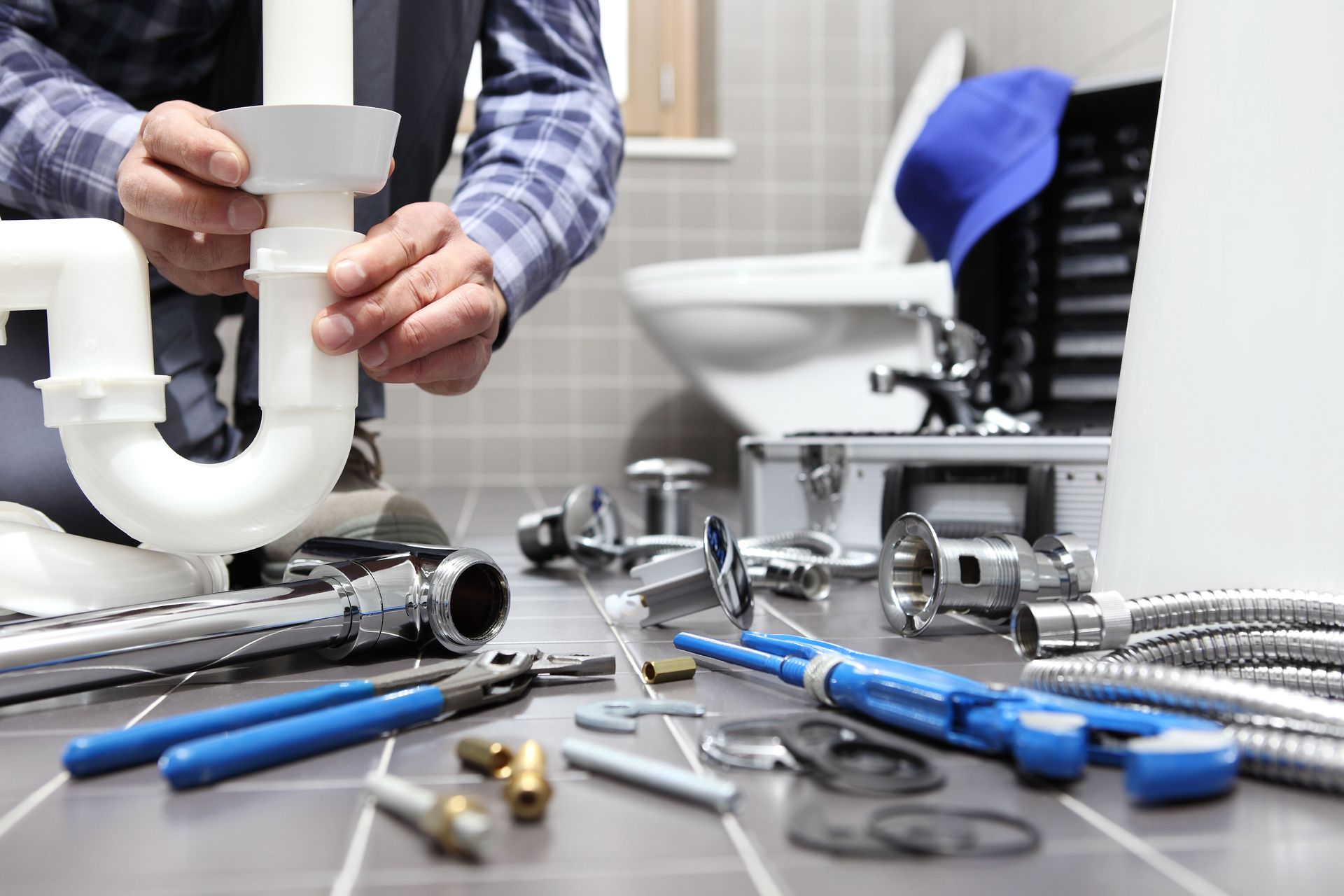
Faucets, toilets, sinks, showers, tubs, and other fixtures can all become sources of water damage when leaks are ignored. A loose toilet connection, failing wax ring, cracked fixture, worn seal, or leaking faucet supply line can allow water to reach flooring, cabinets, walls, and subflooring. According to Business Research Insights, repair services account for 36% of the overall plumbing services market. This reflects how common repair needs are within residential and commercial plumbing systems. A local plumbing service can address fixture problems before continued leakage causes damage to nearby materials.
Small fixture leaks can be easy to postpone because they may not immediately interfere with daily use. However, repeated exposure to moisture can weaken surrounding materials and create conditions where mold or mildew can develop. Homeowners should pay attention to loose fixtures, soft flooring, stains around toilets or sinks, dripping connections, and water collecting in cabinets. Prompt repairs can help contain the problem while it is still limited to a smaller area.
Preparing for Plumbing Emergencies
Preventive care cannot eliminate every plumbing emergency, but preparation can reduce the amount of damage that occurs when something unexpected happens. Homeowners should know where the main water shutoff valve is located and make sure it can be reached quickly. Individual shutoff valves for toilets, sinks, and appliances should also be accessible. If a pipe bursts or a fixture begins leaking heavily, stopping the water supply as soon as possible can help limit flooding while professional assistance is arranged.
It is also helpful to know which plumbing concerns require immediate attention. Burst pipes, overflowing fixtures, major supply-line leaks, sewage backups, and leaking water heaters can all create urgent risks for the property. Having contact information for a local plumbing service available before an emergency occurs can save time when quick action is needed. Combined with routine maintenance and inspections, emergency preparation gives homeowners another way to protect their property from extensive water damage.
Water damage is often easier to prevent than to repair after it spreads through a home. Hidden leaks, aging plumbing components, clogged drains, water heater problems, excessive pressure, and damaged fixtures can all allow moisture to reach areas where it does not belong. Regular inspections, timely repairs, and basic emergency preparation can help homeowners catch problems earlier and reduce the chance of a larger plumbing failure. A dependable local plumbing service can provide the inspections, maintenance, and repairs needed to keep water moving through the home safely and efficiently. To help protect your property from preventable plumbing damage, contact Pipe Pros Inc.